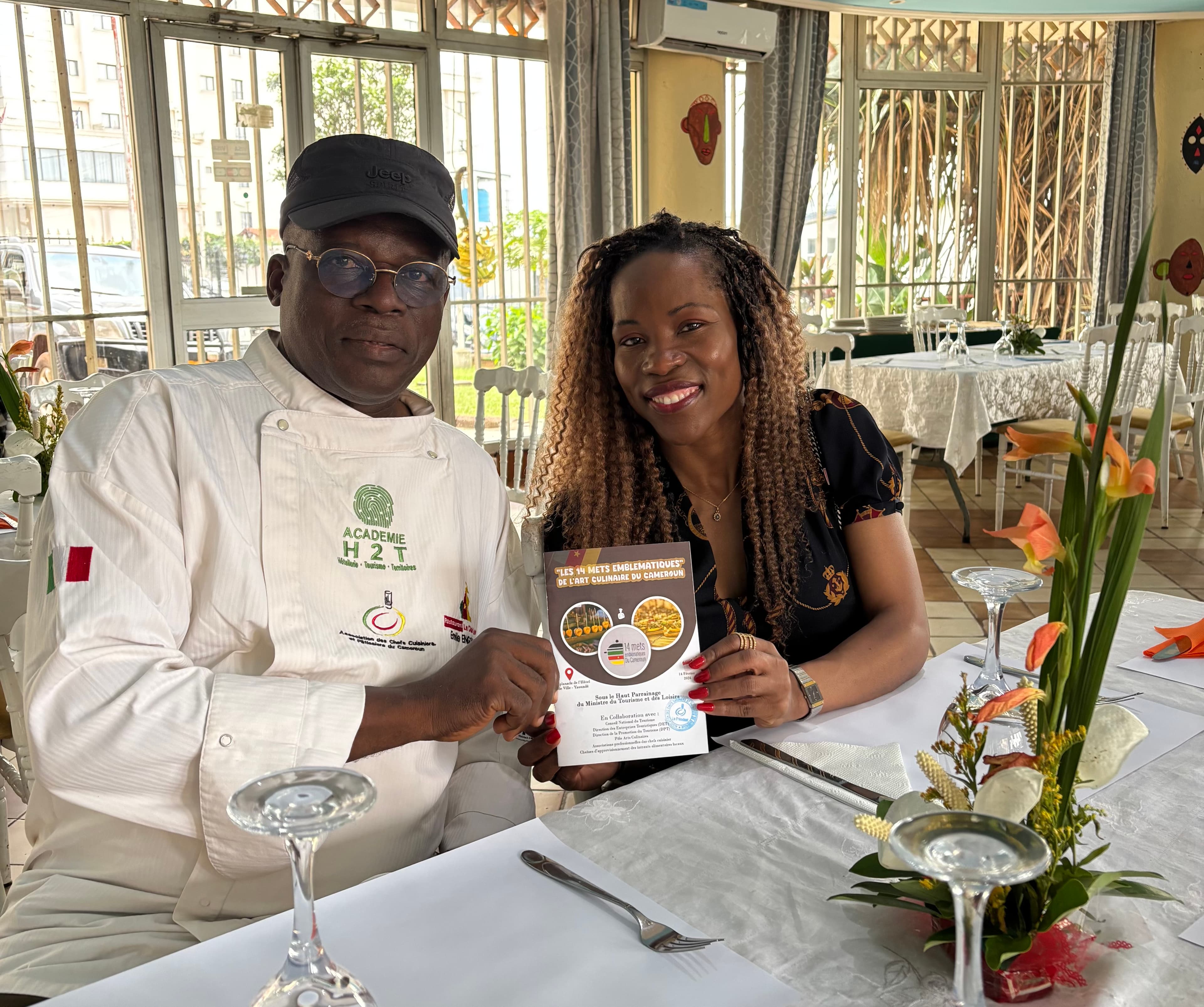
Chef Emile Engoulou shares powerful insights on Cameroonian cuisine, from its deep cultural roots to its overlooked nutritional benefits. In this conversation, he explores how traditional dishes like Ndolé and Fonio go beyond flavor to support health and wellbeing. He also raises an urgent call to preserve authentic food names and protect Cameroon’s culinary identity. Discover his vision for the future of African cuisine and the 14 emblematic dishes shaping it.
A Conversation with Chef Emile Engoulou: Tradition, Nutrition, and the Future of Cameroonian Cuisine
At Chateau Rouge, our mission goes beyond serving food. We aim to celebrate the depth, history, and cultural richness of Cameroonian cuisine. Recently, we had the privilege of speaking with Chef Emile Engoulou, a renowned Cameroonian chef whose decades of experience span culinary education in France, television, and international culinary diplomacy. Our conversation explored the diversity of Cameroonian cuisine, the importance of natural foods, and the responsibility of preserving culinary heritage for future generations.
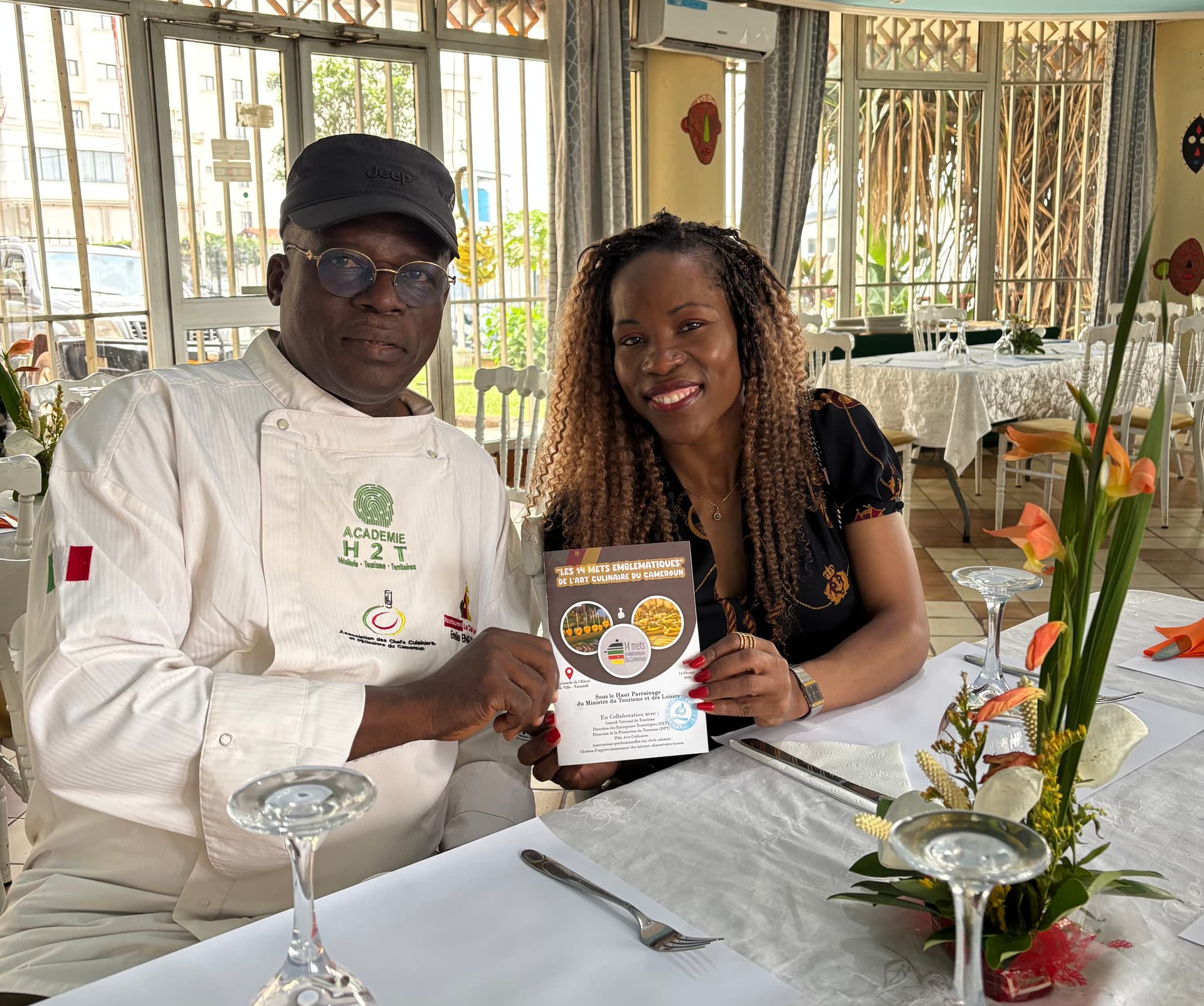
Chef Emile Engoulou and Chateau Rouge Owner Jeannette Jean
A Lifetime Dedicated to the Culinary Arts
Chef Engoulou’s journey began with formal culinary training in France, where he refined classical techniques before bringing that knowledge back to African cuisine. Over the course of his career, he has spent 24 years working in the same restaurant, building a reputation for culinary excellence and consistency.
Beyond the restaurant kitchen, Chef Engoulou also became a familiar face on television, spending 13 years sharing culinary knowledge with the public and promoting the richness of Cameroonian gastronomy.
His expertise has even taken him to the global stage. On four occasions, he was invited to New York to cook at the United Nations, presenting Cameroonian cuisine during the closing ceremony of African Week. For Chef Engoulou, these moments were more than professional milestones, they were opportunities to showcase the sophistication and nutritional richness of African food to an international audience.
Food as Medicine: The Power of Natural Ingredients
One of the central themes of our conversation was the medicinal value of traditional African foods. Chef Engoulou strongly advocates for natural, non-processed ingredients, emphasizing that many traditional dishes contain nutritional and therapeutic properties that are often overlooked.
For example, he discussed Ndolé, one of Cameroon’s most iconic dishes. Beyond its rich flavor, the ingredients used in Ndolé contain valuable nutrients that support overall health. Chef Engoulou explained that traditional dishes often have natural biochemical properties such as balanced acidity that can help the body maintain resilience against certain illnesses.
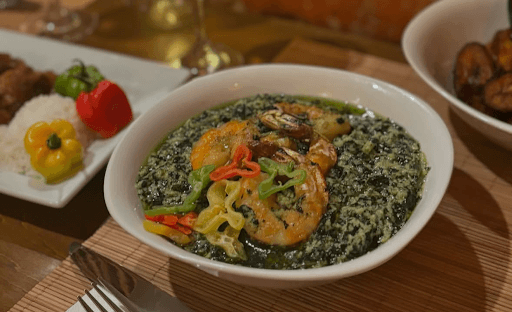
Shrimp Ndole from Chateau Rouge menu
He even shared a personal story about a client for whom he created a specialized natural diet during illness. According to the chef, the dietary adjustments helped shorten the customer’s hospital stay by several days.
Chef Engoulou is currently writing a book dedicated to this very subject. The book, still untitled, will explore the nutritional composition of traditional Cameroonian foods, breaking down what ingredients like Ndolé provide in measurable terms right down to the nutrients contained in a 100-gram serving.
Rediscovering Ancient Grains: The Case for Fonio
Another ingredient Chef Engoulou highlighted was Fonio, one of West Africa’s oldest cultivated grains. Fonio has a lower glycemic index than rice, making it an excellent alternative for people who need to regulate blood sugar levels. Beyond its health benefits, the chef sees fonio as a symbol of Africa’s agricultural heritage: an ancient grain with the potential to play a significant role in modern nutrition.

Fonio Grains via E.A Stewart Spicy RD Nutrition
For Chef Engoulou, promoting ingredients like fonio is about reconnecting with food traditions that have nourished communities for centuries.
The Importance of Naming Our Foods Correctly
During our discussion, Chef Engoulou also addressed something often overlooked: the proper naming of African foods.
He explained that during colonial times, many translators simplified or replaced traditional food names instead of preserving their original terms. As a result, foods like Bobolo were often translated generically as “baton de manioc” (“manioc stick”) and Safou became known simply as “African plum.”
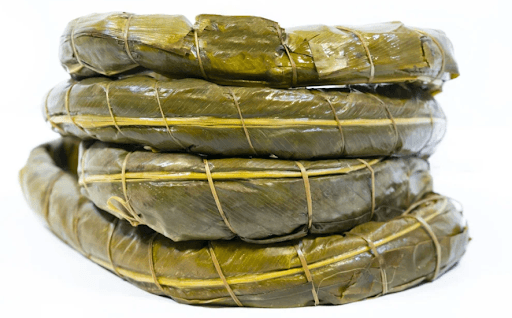
Bobolo
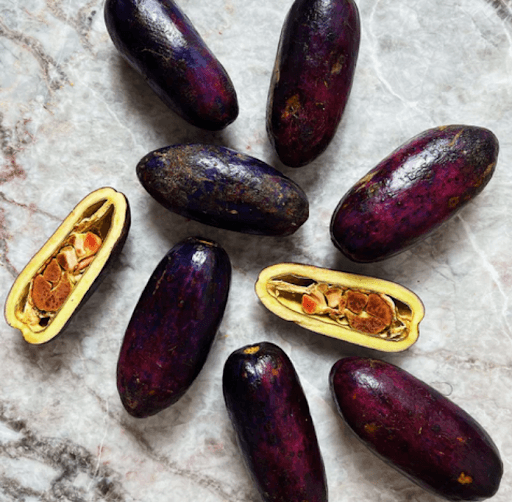
Safou
For Chef Engoulou, restoring the authentic names of these foods is a way of reclaiming cultural identity and respecting the traditions behind them.
Names carry history. They carry language. And they carry the stories of the people who created these dishes.
“Les 14 Mets Emblématiques du Cameroun”: A Culinary Heritage in Motion
During our conversation, Chef Emile Engoulou also spoke passionately about a concept that reflects both preservation and innovation: ***“les 14 mets emblématiques du Cameroun” **(in english: Cameroon's 14 emblematic delicacies).
This emerging initiative aims to celebrate the richness and diversity of Cameroonian culinary art by highlighting fourteen iconic dishes that represent the country’s gastronomic identity. More than just a list of popular meals, this concept tells a deeper story: one rooted in history, culture, and regional pride.
Each dish reflects the traditions of Cameroon’s ten regions, showcasing how geography, agriculture, and cultural practices have shaped what people eat and how they cook.
The 14 emblematic dishes are:
- Ndole (Sawa)- Sanga Fon (Fang/Beti)- Mbongo'o Tchobi (Sawa)- Koki (Sawa)- Achu (Grassfield)- Eru & Wata Fufu (Grassfield)- Kondre (Grassfield)- Domba (Fang/Beti)- Boko Be Ngiiri (Soudano/Sahelien)- Kilichi (Soudano/Sahelien)- Nah Gouo Lie (Soudano/Sahelien)- Bitosso Ri Kipen Ki Basi (Fang/Beti)-
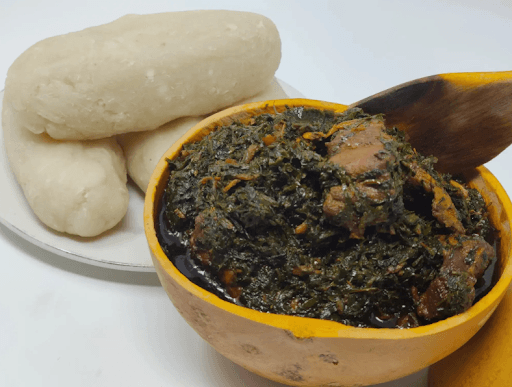
Eru & Wata Fufu
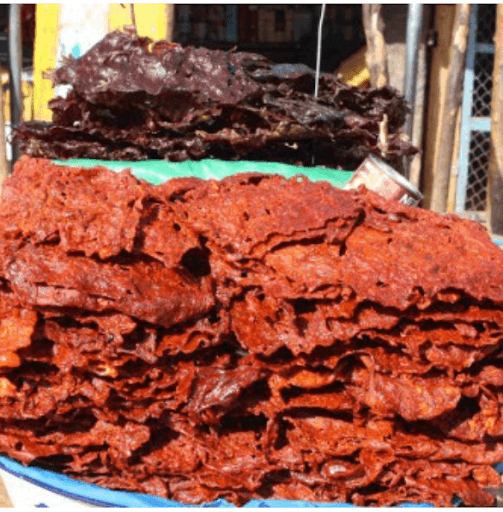
Kilichi
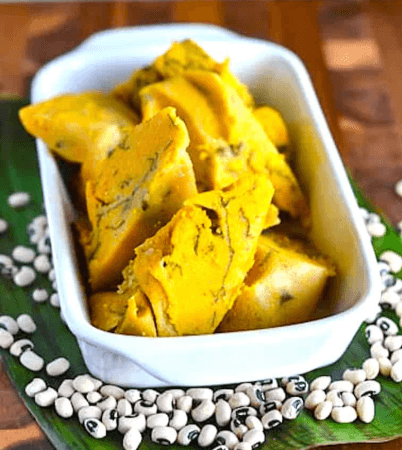
Koki
For Chef Engoulou, this initiative is not just about recognition, it is about education and transmission. By identifying and promoting these dishes, the goal is to ensure that younger generations understand the value of their culinary heritage.
It also reinforces a key idea we discussed throughout the interview: Cameroonian cuisine is not monolithic but rather a mosaic.
Each region brings its own ingredients, techniques, and flavors, creating a culinary landscape that is as diverse as the country itself.
At Chateau Rouge, this philosophy deeply resonates with our mission. Highlighting these emblematic dishes allows us not only to share food, but to tell the story of Cameroon one plate at a time.
Passing the Torch to the Next Generation
Our conversation concluded with a discussion about the future.
At Chateau Rouge, one of our goals is to create opportunities for young Africans and members of the diaspora. We believe that students and young professionals can enter the corporate world while remaining connected to their cultural roots.
Food plays an important role in that connection.
By working with young people and sharing the history behind our cuisine, we hope to inspire pride in African culinary traditions while equipping the next generation with the tools to succeed professionally. Chef Engoulou shares this vision. For him, preserving traditional foods, teaching their nutritional value, and respecting their cultural origins are essential steps toward ensuring that African cuisine continues to thrive globally.
Celebrating Cameroonian Culinary Heritage
Chef Emile Engoulou’s career demonstrates that Cameroonian cuisine is more than a collection of dishes. It is a sophisticated culinary tradition built on nutrition, history, and cultural identity.
Through chefs, educators, and restaurants committed to preserving these traditions, Cameroonian food continues to gain recognition on the world stage.
At Chateau Rouge, we are honored to be part of that movement.